

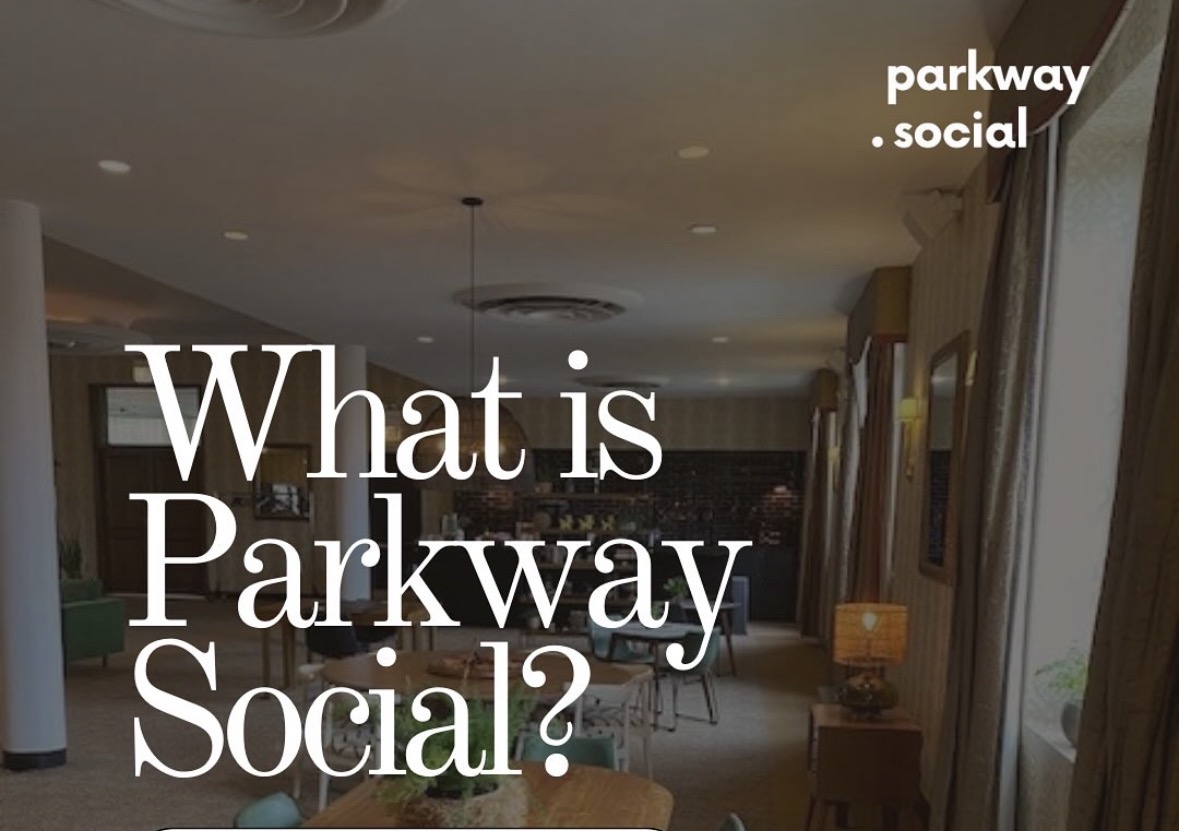
In the heart of Chicago’s historic Bronzeville neighborhood, Parkway Social has emerged as a modern-day cultural and professional destination, blending coworking, socializing, and community events under one roof. The space is curated by Cliff Rome, whose vision centers on preserving Black cultural legacy while creating a functional, modern environment for connection and creativity. Housed in the legendary Parkway Ballroom building, Parkway Social revitalizes a space once synonymous with jazz, entertainment, and Black cultural excellence.
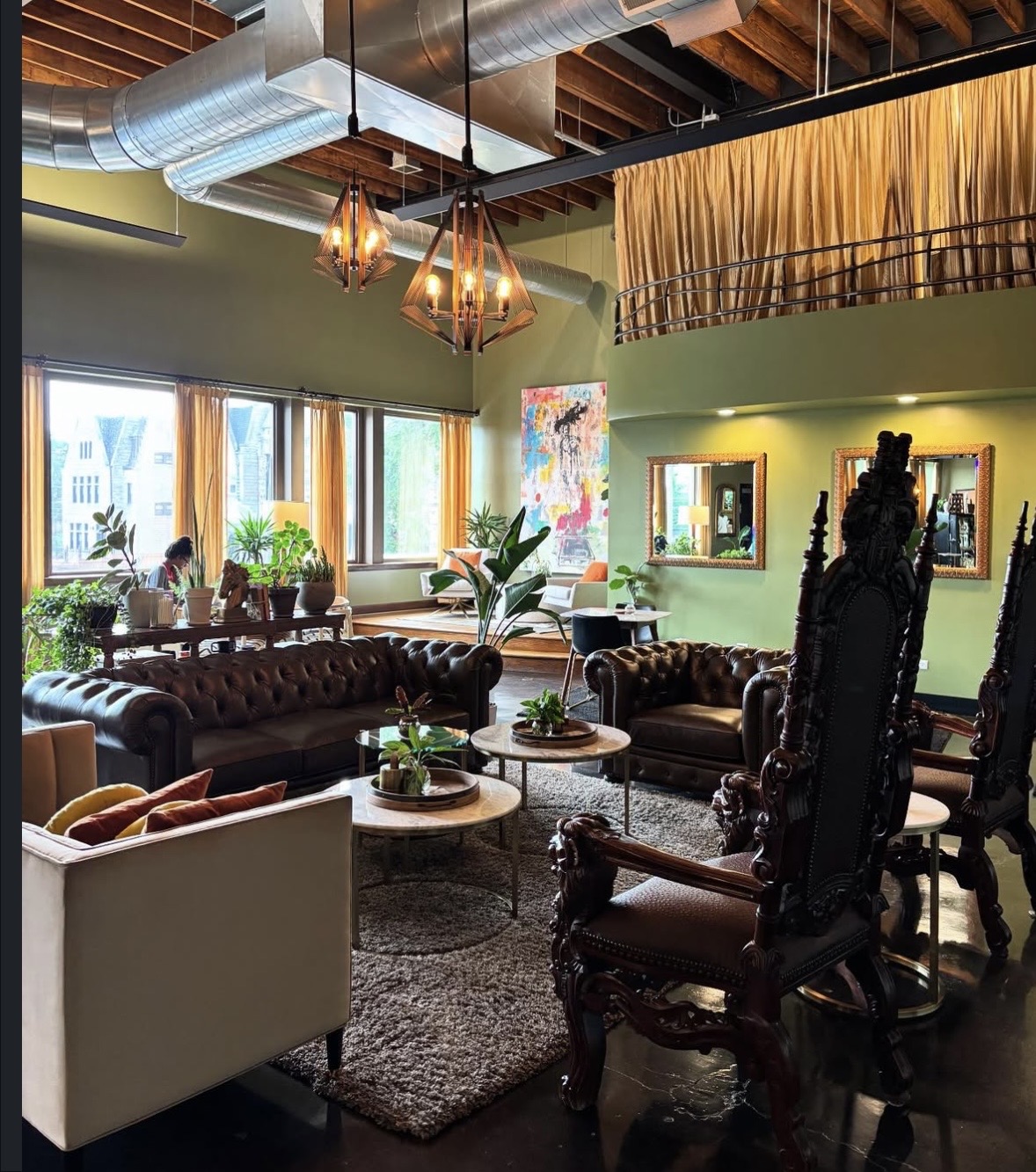
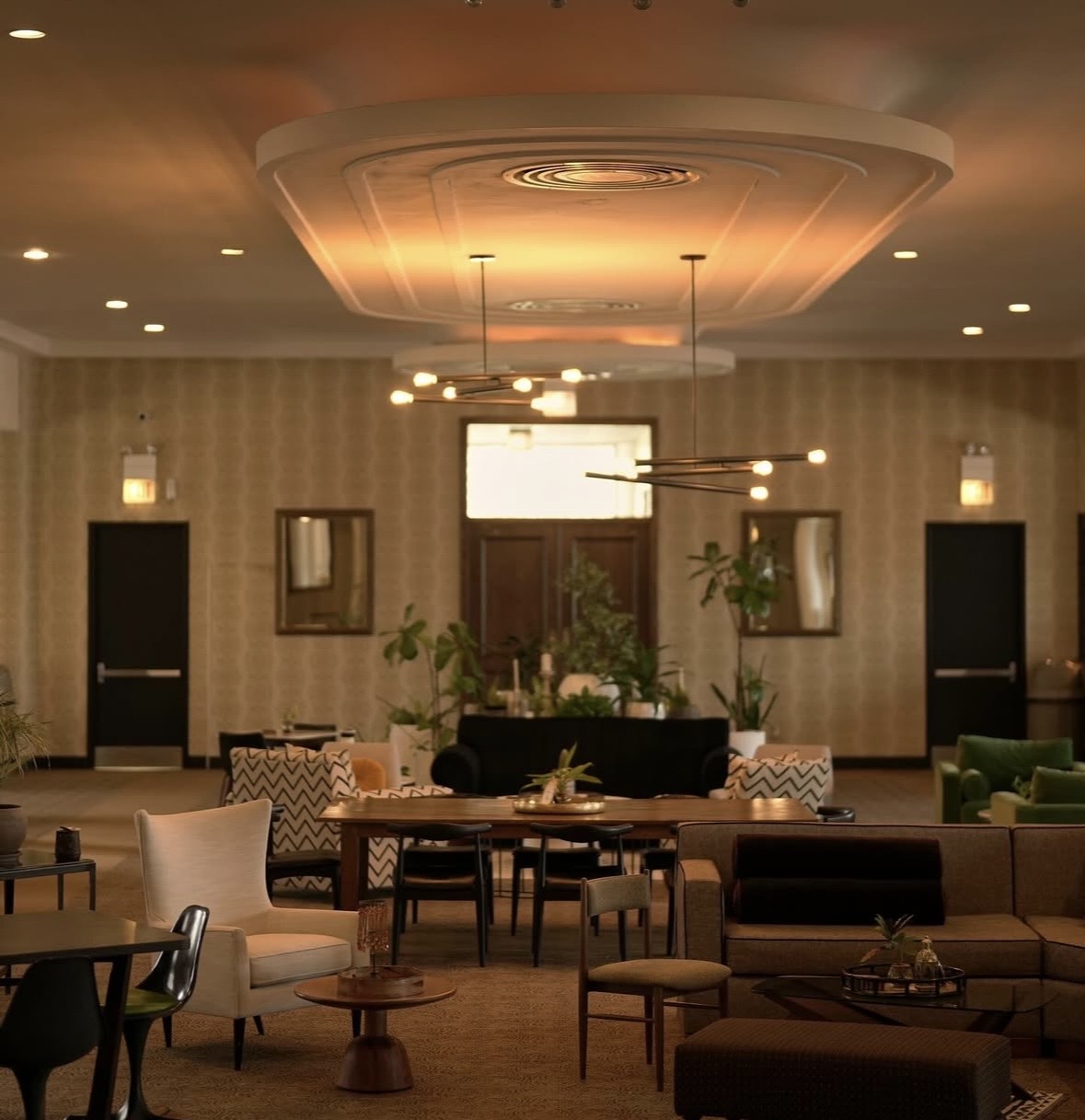
The Parkway Ballroom originally served as a premier venue where legends like Duke Ellington and Count Basie performed, establishing it as a cornerstone of Chicago’s Black cultural scene. Parkway Social honors this legacy by transforming the historic space into a vibrant hub for professionals, creators, and community members seeking more than a typical office environment.
Today, Parkway Social offers a variety of services and experiences. Members can access coworking areas designed for focus and productivity, private meeting rooms, and communal lounges for collaboration and networking. Beyond the workspace, the venue hosts curated social events, mixers, talks, and cultural gatherings, fostering connections and supporting local entrepreneurship.
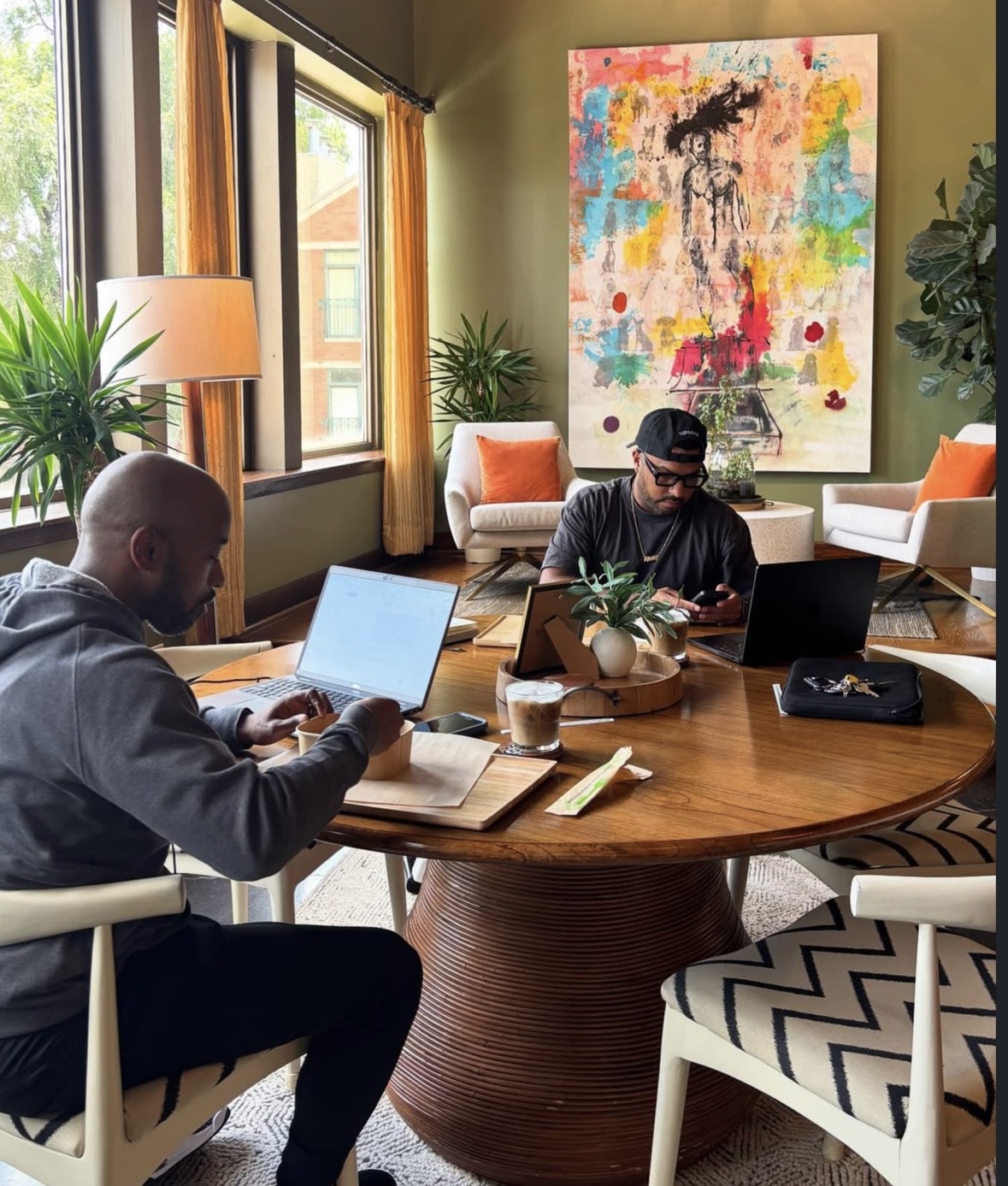
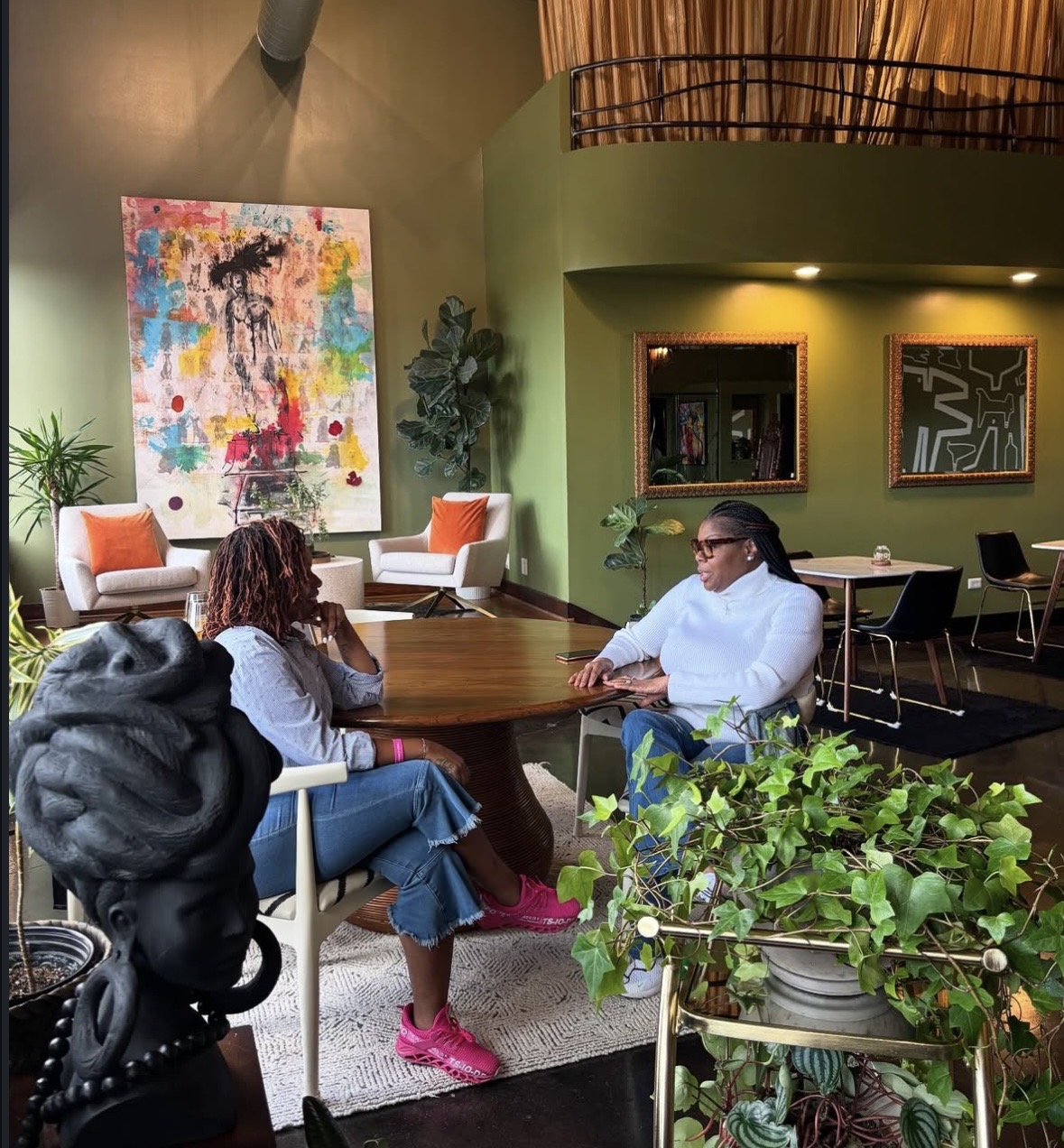
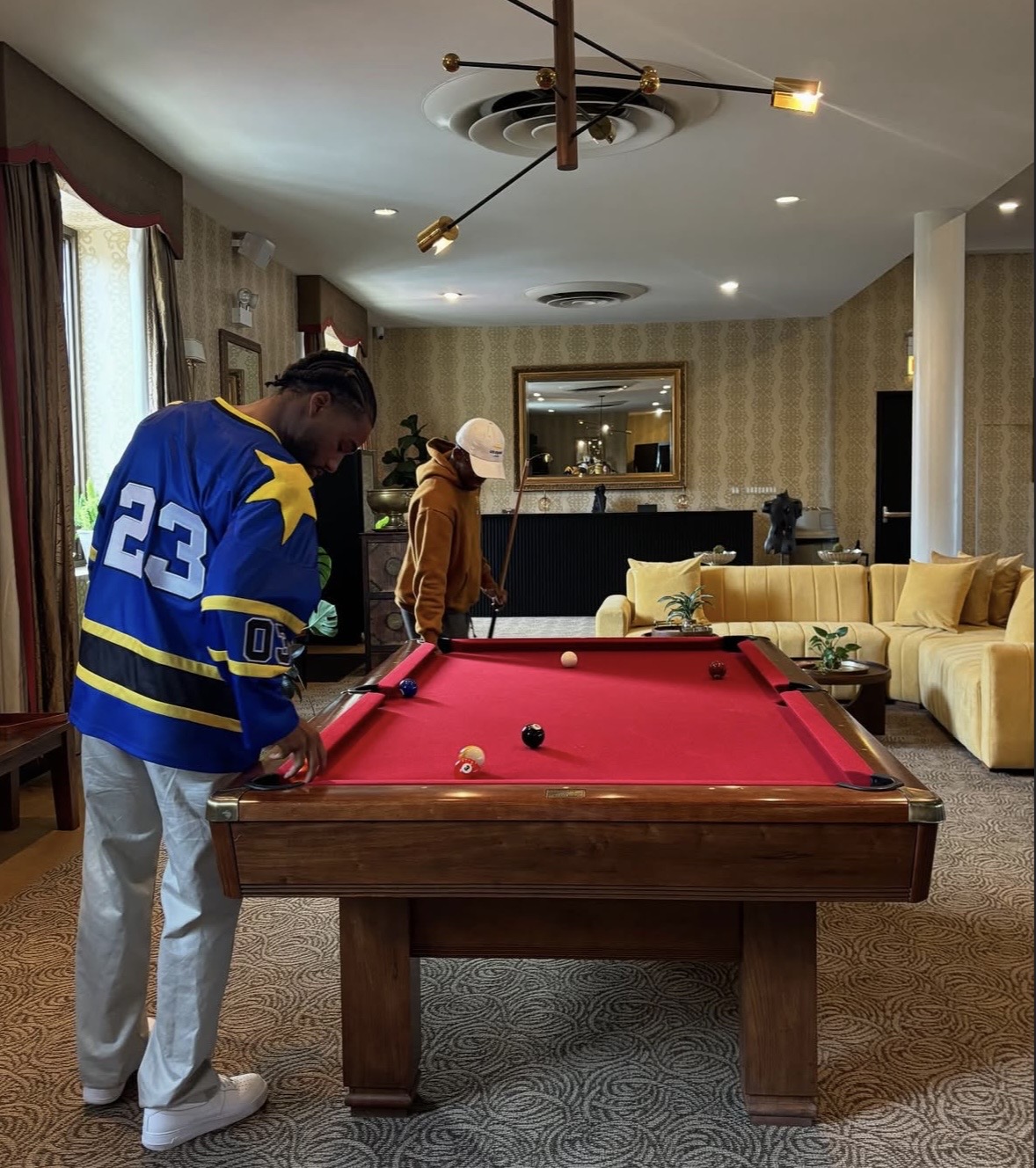
Amenities at Parkway Social are thoughtfully designed to enhance the member experience, including high-speed internet, refreshments, event spaces, and opportunities for professional development. The blend of history, modern design, and community-driven programming positions Parkway Social as a destination where culture, work, and connection seamlessly intersect.
Through its innovative approach, and under the curation of Cliff Rome, Parkway Social not only preserves the historic significance of the Parkway Ballroom but also creates a dynamic space where Chicago’s Black cultural and professional communities can thrive. Rome’s role as curator ensures the space remains intentional—honoring history while serving the present needs of entrepreneurs, creatives, and community leaders. It stands as a testament to the power of adaptive reuse, community engagement, and the ongoing celebration of Bronzeville’s rich heritage.


